About Gyro Screen Machine
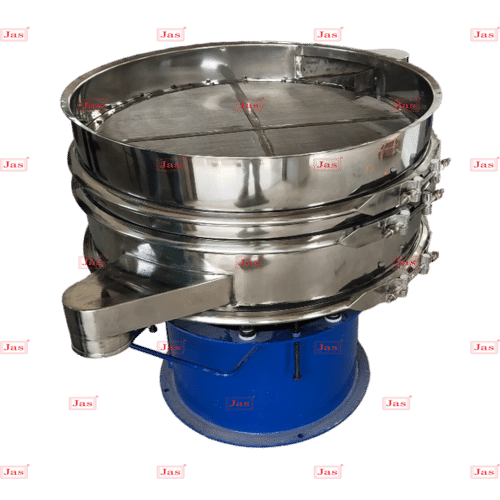
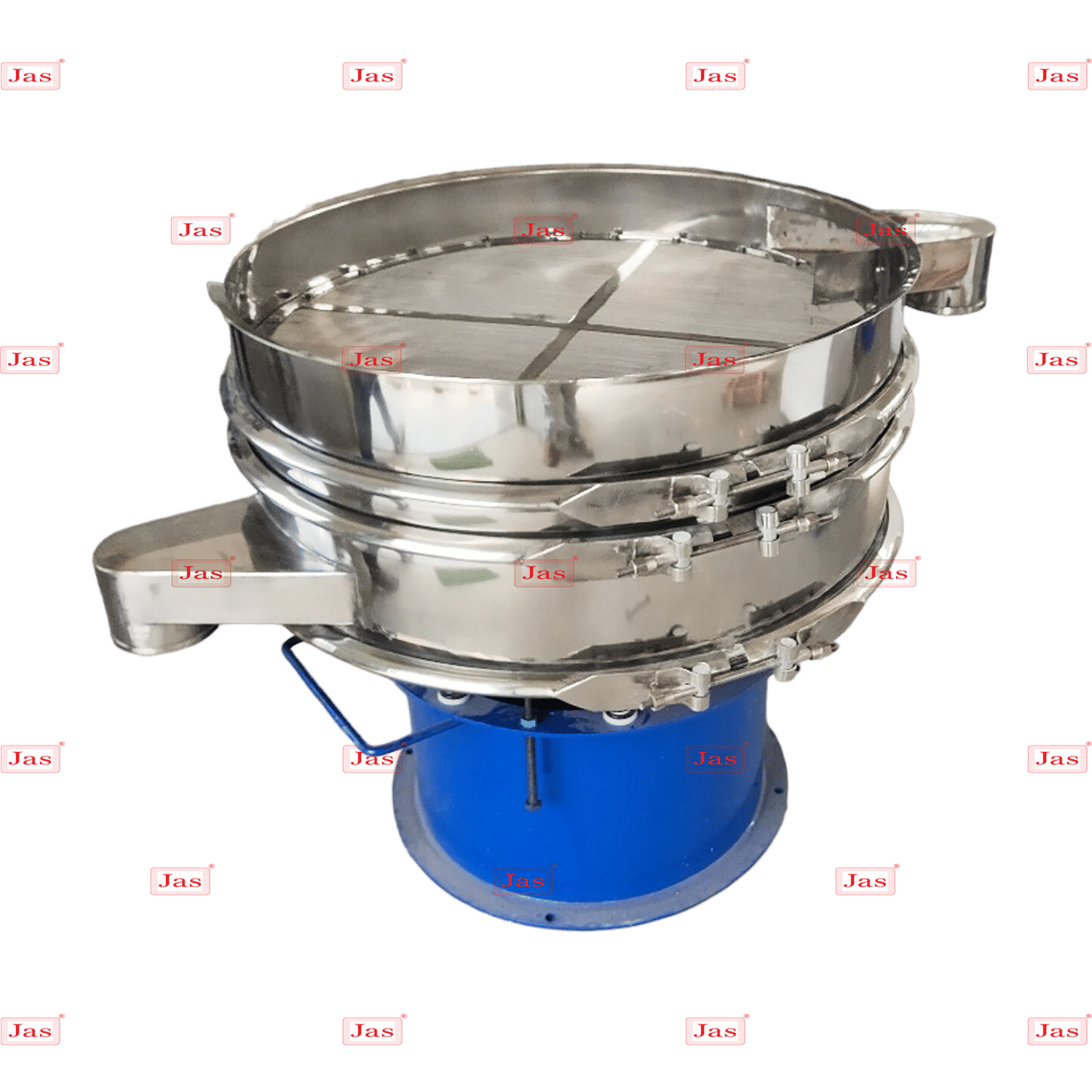
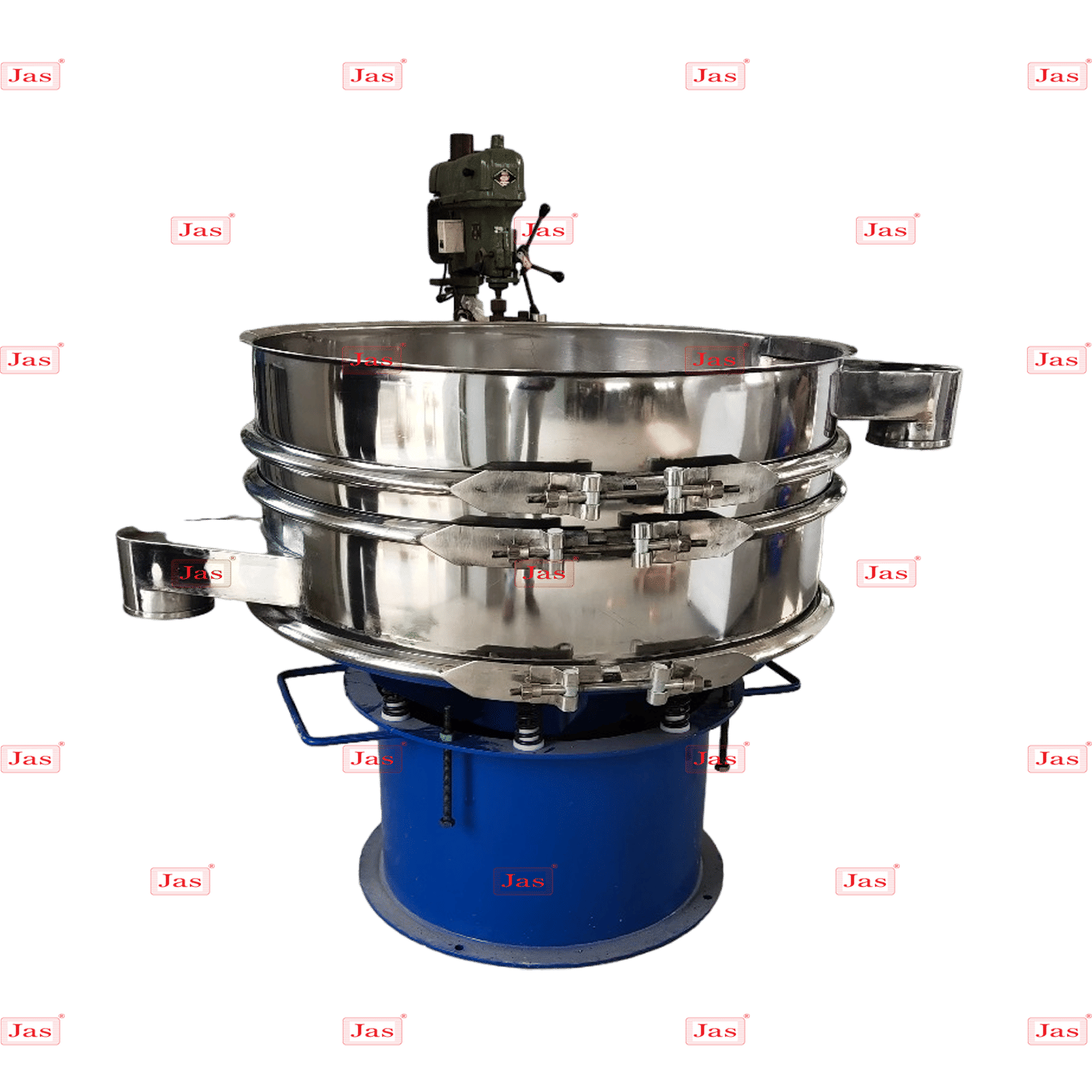
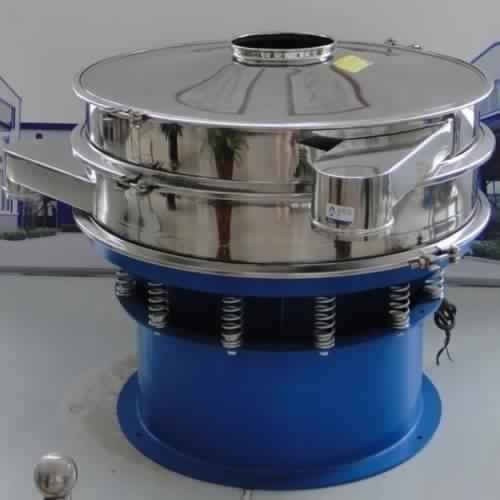
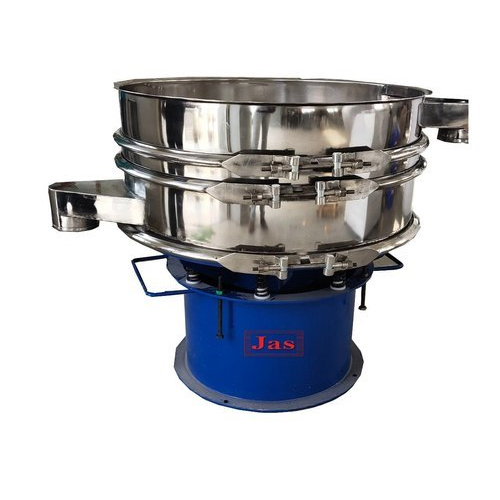
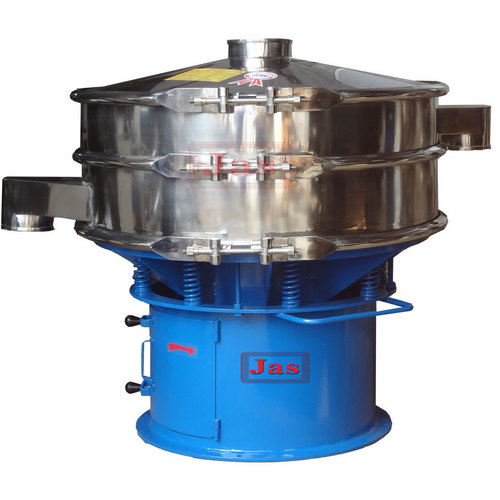
A Gyro Screen Machine, sometimes called a gyratory screen or vibro screen, utilizes a gyratory motion to separate particles. It typically consists of a screening surface or mesh mounted on a vibrating mechanism. The machines motion is usually circular or elliptical, which helps in effective screening and separation of materials.
How It Works
- Gyratory Motion: The screen machine employs a gyratory motion to create a three-dimensional motion on the screening surface. This motion helps in efficiently distributing the material across the screen and aids in the separation of different sizes of particles.
- Screen Surface: The material is fed onto a mesh or screen surface that vibrates and moves in a specific pattern. This helps in the separation of larger particles from smaller ones.
- Material Flow: As the material moves across the screen, it is subjected to the gyratory motion, which causes the finer particles to pass through the mesh and the larger ones to be discharged separately.
Customizable Screening SolutionTailor your screening process with the Gyro Screen Machine, offering customizable screen mesh sizes and multiple discharging outlets for efficient separation of various grades. Its robust structure supports single, double, or triple-layer configurations, accommodating different material requirements and maximum operational flexibility. The top feed design ensures consistent throughput, whether used for dry or wet media.
Efficient Performance and User-Friendly OperationBuilt with a branded ISI-certified motor and using an eccentric weight vibration mechanism, the Gyro Screen Machine delivers consistent, low-noise, and energy-efficient performance. Optional automation, easy-cleaning systems, and smooth-coated SS304/SS316 material make both operation and maintenance straightforward. Floor-mounted with the option for portability, it seamlessly fits industrial workflows.
FAQs of Gyro Screen Machine:
Q: How does the Gyro Screen Machine ensure precise separation and grading?
A: The Gyro Screen Machine utilizes a customizable screen mesh and an eccentric weight vibration mechanism, allowing precise separation and grading of different material sizes through its multiple discharge outlets. You can select single, double, or triple-layer configurations as per your process needs.
Q: What materials and industries is this machine suitable for?
A: This machine is designed for use with both dry and wet materials, handling applications in screening, grading, sifting, and filtration. Its robust SS304/SS316 stainless steel build, along with mirror or matte finishes, makes it suitable for food, pharmaceuticals, chemicals, and other industries requiring reliable contamination-free performance.
Q: When is it beneficial to use the multiple discharge outlet feature?
A: Multiple discharge outlets are advantageous when your process involves sorting materials into various size fractions or grades in a single pass, optimizing production efficiency and reducing manual handling.
Q: Where is the Gyro Screen Machine typically installed and can it be moved easily?
A: This machine is designed for floor mounting in industrial environments. Models can be fitted with castor wheels, making relocation within your facility simple if your process layout changes, adding to its operational flexibility.
Q: What cleaning systems are available and how do they aid maintenance?
A: The Gyro Screen Machine offers optional ball tray and ultrasonic cleaning systems. These features help prevent mesh clogging and minimize manual intervention, thus improving uptime and processing consistency.
Q: How does the top feed design improve processing?
A: The top feed design ensures even distribution of material across the screening surface, resulting in higher screening efficiency and consistent product quality throughout operation.
Q: What are the key benefits for users investing in this gyro screen machine?
A: By choosing this machine, users benefit from customizable features, reliable branded motors with ISI certification, low noise levels, robust stainless steel construction, efficient grading, and optional automation all aimed at enhancing productivity while reducing operational costs.








 Send Inquiry

 Send Inquiry
 Send Inquiry
 Send SMS


